
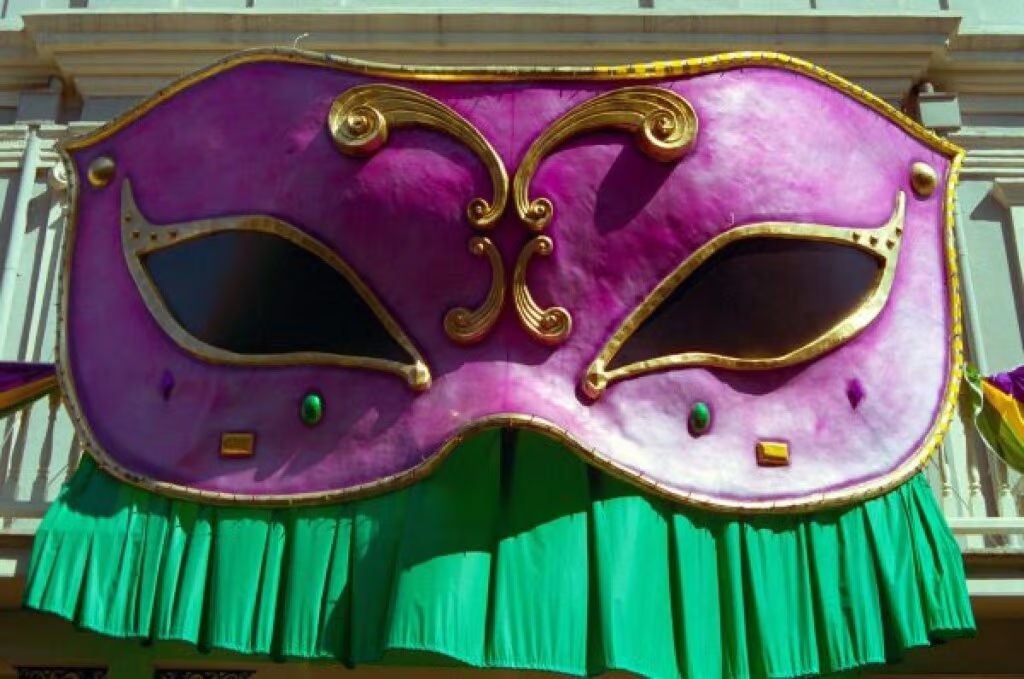
Every year, the city of New Orleans becomes the stage for one of the world’s most spectacular cultural celebrations. Purple, green, and gold shimmer from balconies in the French Quarter. Towering floats roll beneath the oak trees of St. Charles Avenue. Brass bands pulse through the streets, and masked riders toss beads into jubilant crowds. To the casual visitor, Mardi Gras may seem like a grand party. To New Orleanians, it is something much deeper, a ritual woven into the fabric of the city for more than three centuries.
The Story of Mardi Gras
The story of Mardi Gras begins long before Louisiana existed. In medieval Europe, particularly in France, Italy, and Spain, Carnival marked the final burst of indulgence before the solemn fasting season of Lent in the Catholic calendar. Communities held masquerades, feasts, and street celebrations in which social roles were temporarily reversed and excess was not only permitted but encouraged. The term “Mardi Gras,” meaning “Fat Tuesday” in French, referred to the last day to enjoy rich foods before fasting began.
The tradition crossed the Atlantic with French explorers. In 1699, French-Canadian naval officer Pierre Le Moyne d’Iberville landed near the Mississippi River delta and named a nearby camp Point du Mardi Gras because of the season in which he arrived. When his brother, Jean-Baptiste Le Moyne de Bienville, founded New Orleans in 1718, French Catholic customs came with the settlers. Early Carnival observances were modest affairs of masked balls and private festivities, but they planted the seeds for something much grander.


Historical Mardi Gras. Photo credit: mardigrasneworleans.com
Shaping the Local Landscape
Throughout the eighteenth century, Louisiana shifted between French and Spanish rule before becoming part of the United States in the Louisiana Purchase. Each governing power left its cultural imprint. African traditions arrived with enslaved people, Caribbean influences filtered in through trade and migration, and Native American presence shaped the region’s social landscape. By the early nineteenth century, New Orleans had become one of the most culturally complex cities in North America, and Mardi Gras reflected that diversity.
In the early 1800s, Carnival celebrations were lively but often unruly. Masked revelers roamed the streets freely, and the festivities sometimes slipped into chaos. Seeking to bring order and spectacle to the season, a group of businessmen formed the Mistick Krewe of Comus in 1857. Their organized parade introduced the concept of themed floats, torchlit processions, and secret membership. This marked the birth of the modern krewe system, a defining feature of Mardi Gras in New Orleans.
In 1872, the formation of the Krewe of Rex established many traditions that still define the celebration today. The krewe introduced the official Mardi Gras colors of purple for justice, green for faith, and gold for power. The Rex monarch became the symbolic King of Carnival, and Mardi Gras was declared an official Louisiana holiday. Other krewes followed, including the Krewe of Proteus and the Krewe of Momus, each contributing elaborate pageantry and mystique to the growing celebration.


The Introduction of Other Cultures and Traditions
African American communities, often excluded from older white krewes, developed their own vibrant Carnival traditions. In 1909, the Krewe of Zulu was founded, bringing a bold, satirical spirit to the parade route. Zulu became famous for hand-decorated coconuts tossed from floats, which remain treasured symbols of the season.
Even more powerful is the tradition of the Mardi Gras Indians, which began in the late nineteenth century. African American “tribes” began sewing elaborate suits inspired by Native American ceremonial attire, honoring the Indigenous communities who had once offered refuge to people escaping slavery. Each suit can take nearly a year to create, adorned with intricate beadwork, feathers, and detailed scenes telling stories of heritage and pride. When tribes meet on Mardi Gras Day, they engage not in violence but in ritual displays of artistry and song, competing to see who is the most beautiful. Their presence adds a profound layer of cultural memory and resilience to the celebration.


Hear the Music
Music is inseparable from Mardi Gras. The neighborhoods of Tremé and the French Quarter have long nurtured jazz, brass bands, and second line traditions. The sound of trumpets and drums rolling through narrow streets is not incidental; it is essential. These rhythms trace their lineage to African musical structures blended with European instruments, forming a uniquely New Orleans sound that transforms every parade into a moving concert.
Not Just a One-Day Celebration
Mardi Gras is not confined to a single day. Carnival season begins on January 6, Twelfth Night, and builds steadily toward Fat Tuesday. During these weeks, bakeries display King Cakes dusted in purple, green, and gold sugar. Inside each cake is a small plastic baby, and whoever discovers it is expected to host the next gathering, ensuring that the celebration continues. Families stake out parade routes days in advance, constructing decorated ladders for children and turning sidewalks into temporary neighborhoods filled with food, laughter, and anticipation.


The resilience of Mardi Gras has been tested repeatedly. Wars, epidemics, economic downturns, and social upheavals have all threatened the celebration. In 2006, only months after Hurricane Katrina devastated the Gulf Coast, many wondered whether Carnival would return. It did, smaller but defiant, carrying messages of hope on its floats. The decision to parade became a declaration that the spirit of New Orleans would endure.


Today, more than seventy krewes roll through the city each season. Some are exclusive and steeped in old traditions, while others are inclusive, satirical, and modern. Massive superkrewes such as the Krewe of Bacchus draw celebrities and national attention. Yet neighborhood walking krewes and community parades remain just as vital, preserving the grassroots heart of Carnival.
Centuries of Cultural Exchanges
Mardi Gras in New Orleans is a celebration shaped by centuries of cultural exchange. It is European in origin, African in rhythm, Caribbean in spirit, and distinctly American in its evolution. It is a festival where history is not confined to museums but parades down the street in feathers and gold. When midnight strikes on Fat Tuesday and the final beads fall to the pavement, the city exhales, already dreaming of the next Carnival season.
To learn more about Mardi Gras, check out https://www.mardigrasneworleans.com/
Rodeo and Music Meet Mardi Gras
And the spirit of celebration in New Orleans does not end with Carnival. The city continues its festive rhythm year-round, including the upcoming Hondo Rodeo Fest, which will take place in New Orleans April 10–12, bringing another wave of music, culture, and high-energy entertainment to a city that never truly stops celebrating.
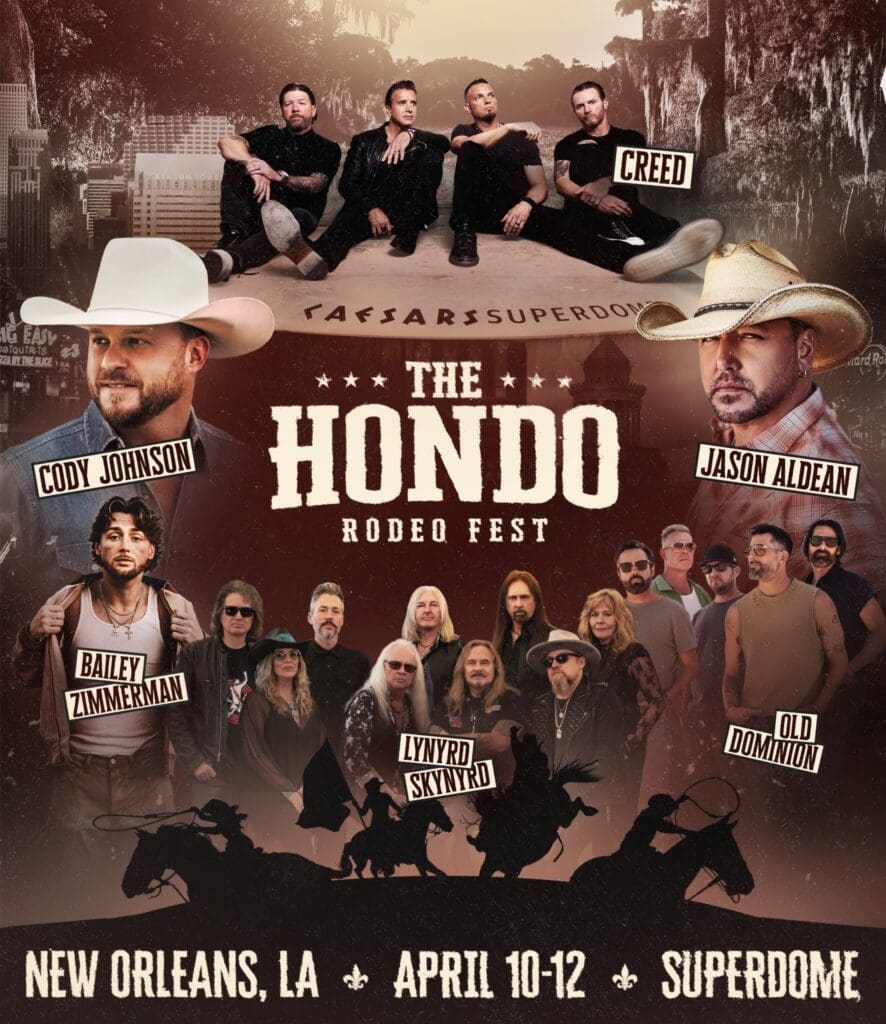
In New Orleans, festivity is not a season. It is a way of life.
About the Author:

CLN Community Sponsor