
There is a rhythm to the West that every rider knows. It’s the steady cadence of a heartbeat against your calf, the dust blooming behind you like a desert storm, and that singular, breathtaking moment when you crest a ridge in the San Juan Mountains and the world simply opens up.
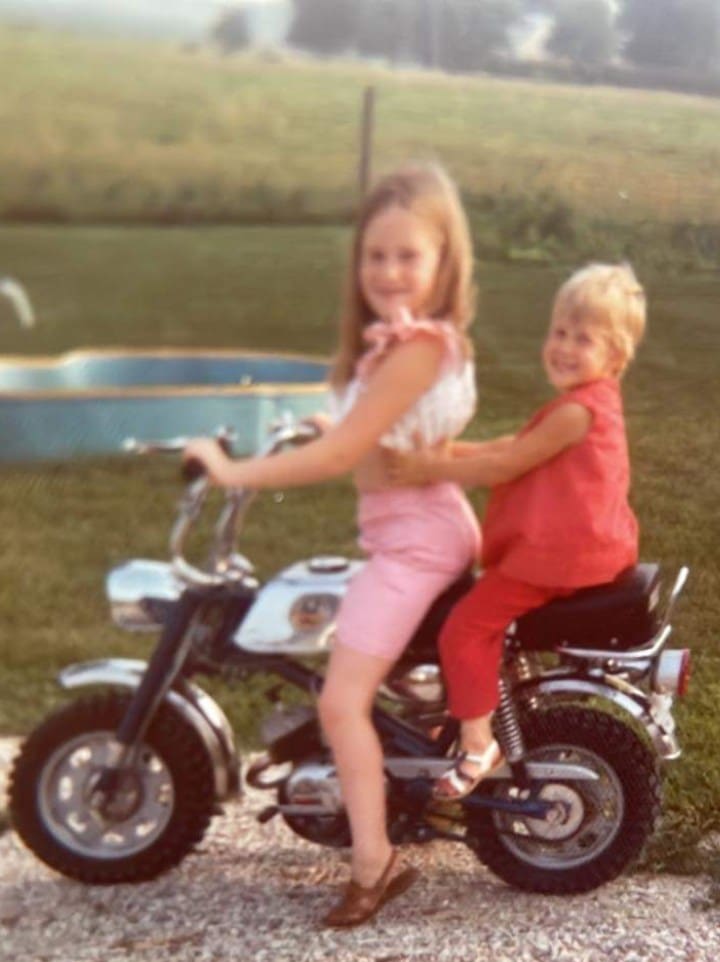
Most people imagine that moment from the leather seat of a Quarter Horse. They see the reins, the mane, and the ancient connection between rider and beast. And they aren’t wrong, that’s where my story began, too. My sister and I spent our childhood in the saddle of a Benelli, learning that the best way to see the world was between two ears (or, in this case, two handlebars) and a lot of open trail.
But as I grew, my “horse” changed. I traded the hay for high-octane and the leather reins for a twist-throttle. I traded a living heart for a mechanical one, but the soul of the ride remained exactly the same.
The Mountain Goat
When I started truly exploring the rugged terrain around Cortez and Telluride, I wasn’t looking for a racetrack. I was looking for the same thing a cowboy looks for: a way to conquer the elements.
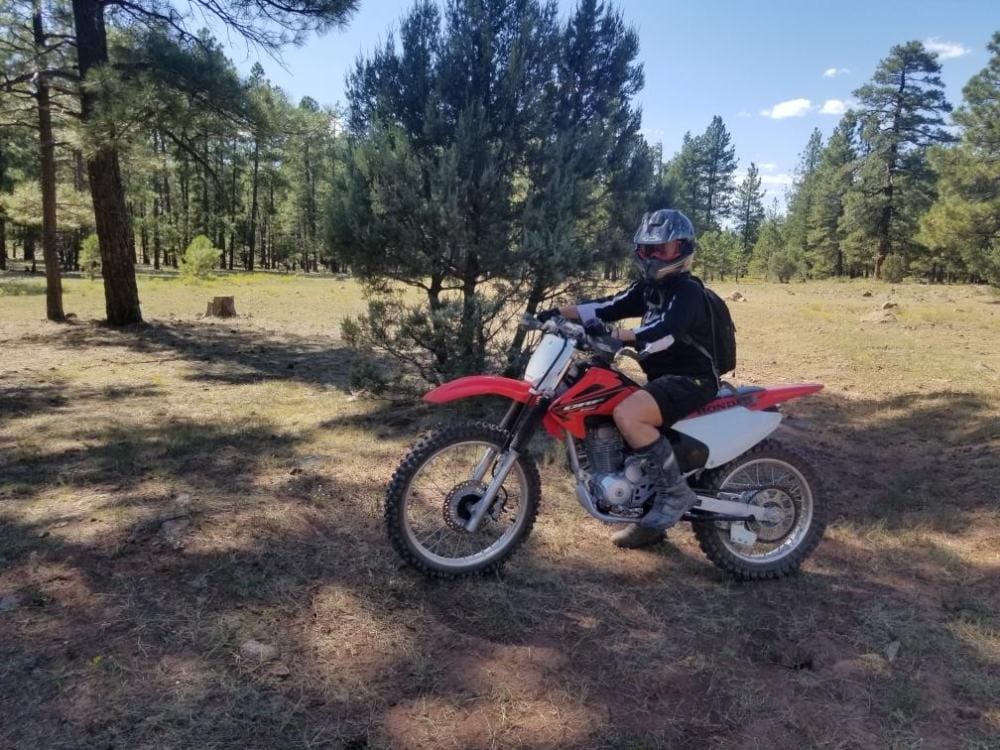
To conquer the rugged terrain around Cortez and Telluride, I didn’t need a flashy stallion; I needed a mountain goat. I tried a variety of different brands and models of bikes. As a female rider standing at a maximum height of 5’3″, I was limited in the size of bike I could handle, eventually landing in the saddle of the famously bulletproof Honda CRF230F.


Riders call this bike the “Mountain Goat” for a reason. It’s not the fastest horse in the stable, but it is undoubtedly the most stubborn. When you’re at 10,000 feet, crossing a freezing waterway or navigating a rock garden that looks more like a staircase, the last thing you want is a bike that’s “temperamental.”
In the San Juans, where the wilderness tests you with slick rock and mud bogs at 10,000 feet, performance isn’t measured in lap times; it’s measured in whether or not you’re walking home. At my height, heaving a downed bike out of the muck is a full-body feat of strength, and there is nothing that drains your spirit faster than trying to kickstart a stalled machine while balanced precariously on a mountain ledge. That “magic button”, the Electric start, became my secret weapon and my independence, allowing me to fire up instantly after a spill and keep my momentum when the terrain turned vertical. There is a raw power in being a woman in the woods, knowing that if you can’t pick up your bike, you aren’t going home; every time I pressed that starter and caught those taillights, I wasn’t just fixing a mistake, I was earning my place as a rider.


Mapping the Trail: The “Family Tree” of Biking
If you only look at the most televised stuff, it might seem like just Motocross, Supercross, and MotoGP. But the “family tree” of bike racing is huge, sprawling across every terrain imaginable. To understand the sport is to understand that there is a “saddle” for every kind of spirit.
- The Stadium Gladiators (Supercross): An arena turned into a dirt battlefield. It’s tight, technical, and high-intensity the “sprint” of the dirt world.
- The Naturalists (Motocross): This is the heart of the sport. Raced outdoors on natural terrain, hills, valleys, and massive sweepers.
- The Mountain Climbers (Enduro & Hard Enduro): This is my world. This isn’t about laps; it’s about survival. Pro riders navigate boulders the size of trucks and vertical waterfalls, much like the old-school trekking in Telluride.
- The Asphalt Outlaws (MotoGP & Superbike): The high-speed cousins who lean bikes over at 60-degree angles on pavement, reaching speeds over 200 mph.
- The Drifters (Flat Track): Pure Americana. Raced on dirt ovals with no front brakes, it’s the mechanical version of a rodeo barrel race.

The Legend of the Three Colors
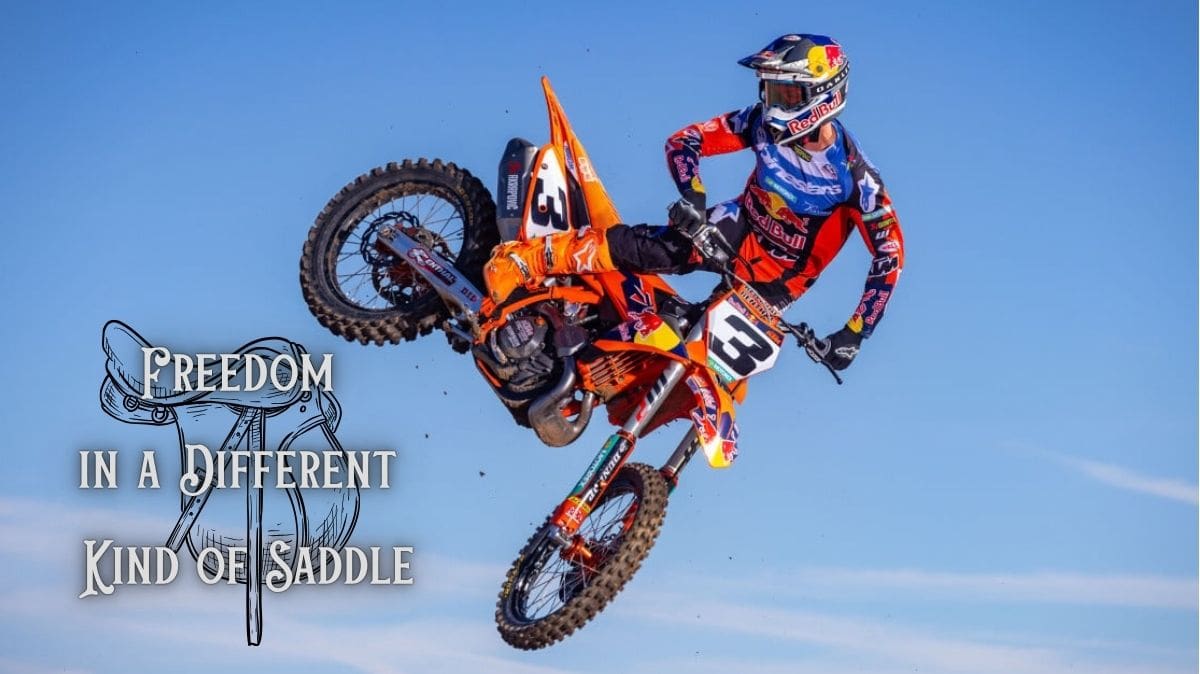
Perhaps no one embodies this Western grit better than Colorado’s own Eli Tomac. Born in Cortez, Eli grew up breathing the same thin mountain air and navigating the same red dirt that taught me how to ride.
In a sport where most riders retire by 25, Eli is defying gravity. At 33 years old, he has just made the biggest move of the decade, transitioning from the Blue of Yamaha to the Orange of Red Bull KTM Factory Racing.
Throughout his legendary career, Eli has worn three distinct colors, representing the three “dynasties” of his journey:
- The Green Era: His dominant years with Kawasaki, where he became a household name.
- The Blue Era: His resurgence with Yamaha, where he proved he could still outwork the youth.
- The Orange Era: His current chapter with KTM, where he brings his veteran wisdom to the legendary Austrian brand.
Watching Eli swap jerseys is like watching a legendary rancher move his herd to new territory. He carries the same relentless work ethic regardless of the brand on the tank.
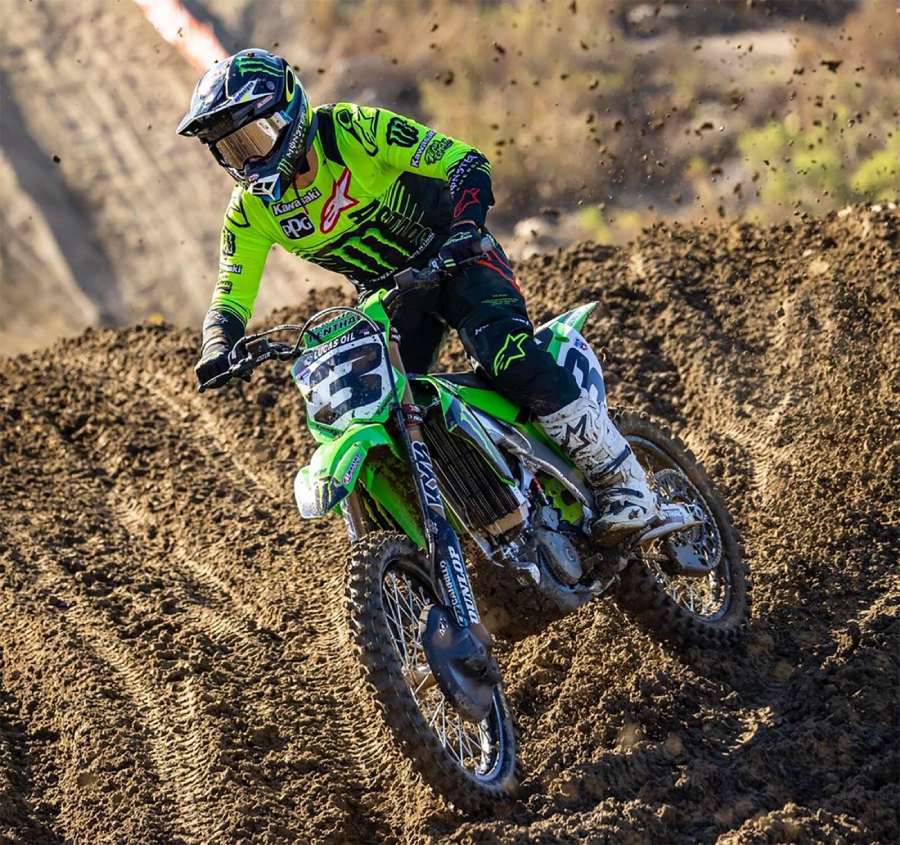


“I have been watching Eli Tomac for years. He is definately one of my favorites!”
Jack Baer
Dirt Bike Rider & Tomac Fan

Why You Should Keep Your Eyes on the Trail
Whether you’re a lifelong ranch hand or someone who has never touched a throttle, there is a seat waiting for you in this world. Over the next few articles, Cowboy Lifestyle Network is going to take you deeper into the “Iron Horse” lifestyle. We’re going to talk about:
- The Legends: Why names like Eli Tomac and Jett Lawrence are the modern-day outlaws of the dirt.
- The Gear: How to stay safe without losing your style.
- The Stable: How to choose a bike that fits you, not just the “standard.”
The view from the top of a Telluride peak is magnificent, no matter how you get there. But there’s something special about the hum of an engine beneath you and the knowledge that you got yourself there on your own two wheels.
Stay tuned. The dust is just starting to settle.

About the Author:

CLN Community Sponsor